PACK EXPO gives us an opportunity to do more than showcase packaging solutions. It gives us a chance to listen. In conversations with customers and industry professionals, several themes continued to surface: evolving packaging regulations, rising sustainability expectations, pressure to use materials more efficiently and the growing role of automation. While every business is navigating these challenges differently, four priorities stood out.
3 Packaging Priorities Businesses Should Be Thinking About
PACK EXPO is an opportunity to hear directly from customers and industry professionals about the challenges shaping packaging decisions today.
This year, several themes surfaced repeatedly: evolving packaging regulations, rising sustainability expectations, pressure to use materials more efficiently and the growing need for automation.
While every business faces a different set of priorities, these four considerations are worth keeping on the radar as packaging requirements continue to evolve.
1. Packaging regulations are reshaping decisions
For businesses operating in Europe, packaging regulation is becoming an increasingly important part of packaging strategy.
The EU’s Packaging and Packaging Waste Regulation (PPWR), together with Extended Producer Responsibility (EPR) requirements, is putting greater focus on how packaging is designed, the materials it uses, its recyclability and what happens to it at end of life.
While requirements and timelines vary, businesses placing packaged products on European markets should understand how these changes could affect their packaging portfolios, reporting obligations and future costs. EPR can require businesses to register, report packaging placed on a market and contribute towards its collection and recycling.
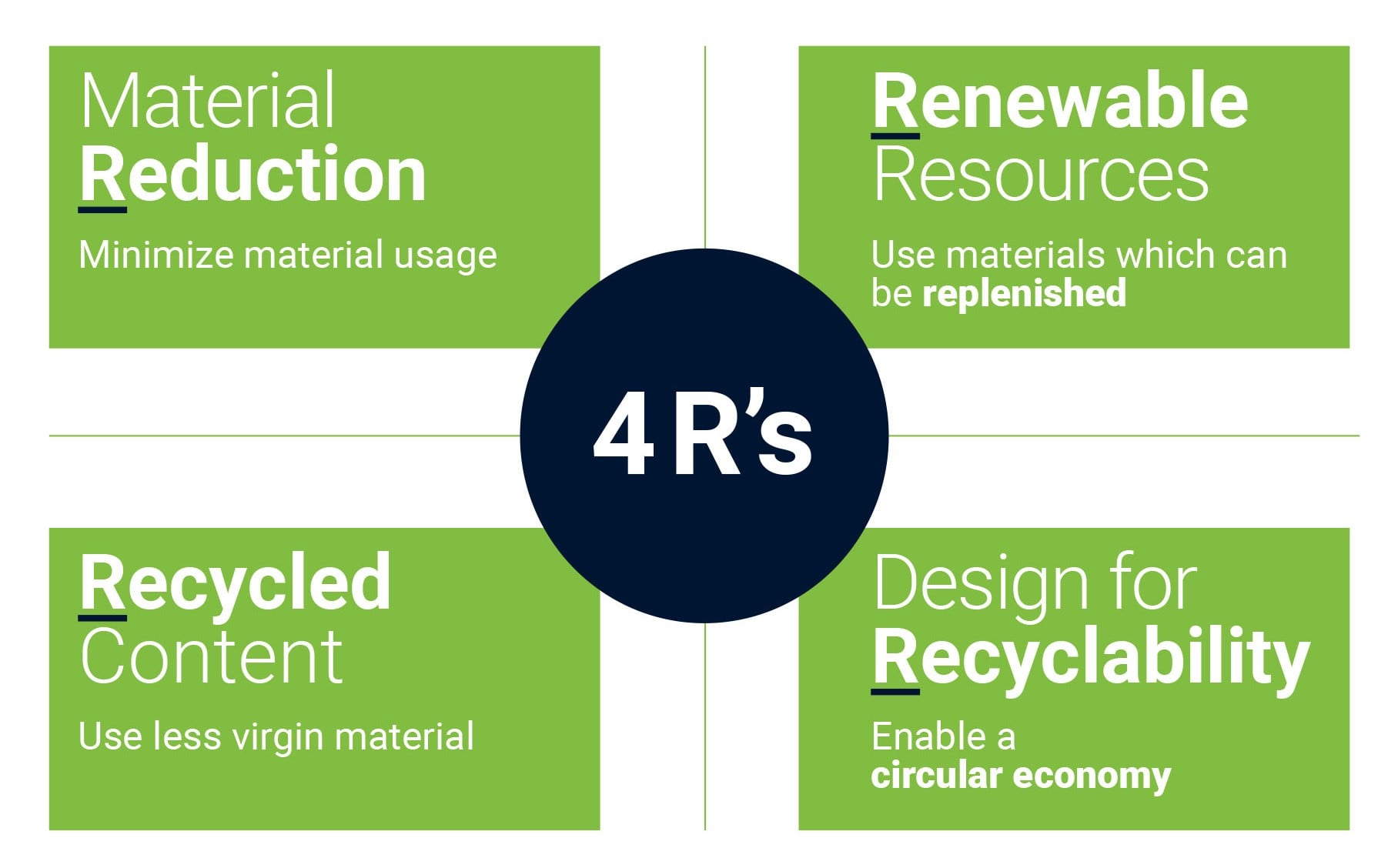
For packaging teams, that makes now a good time to review the 4Rs: material reduction, renewable resources, recycled content and design for recyclability. Taking a proactive approach can help businesses prepare for evolving requirements while identifying opportunities to reduce waste and improve packaging efficiency.
2. Sustainability questions are becoming more sophisticated
Sustainable packaging is about more than checking the recyclability box.
As sustainability strategies mature, businesses are taking a more holistic view of packaging and asking more detailed questions about material use, recyclability, product protection and overall packaging performance.
Instead of simply asking, “Is this packaging recyclable?”, businesses are increasingly considering:
- How much material does the packaging require?
- Can the packaging be optimised to reduce unnecessary material?
- How recyclable is the material?
- What happens to the material through repeated recycling cycles?
- Can material use be reduced while still providing the level of protection the product requires?
- Could reducing packaging material also help minimise waste, storage requirements or transport impacts?
These considerations become especially important in applications such as temperature-controlled packaging, where businesses must balance sustainability objectives with the need to protect products throughout the supply chain.
The opportunity is to look at the complete packaging system and consider material efficiency, circularity and product protection together, rather than focusing on a single sustainability attribute.
3. Labour challenges are strengthening the case for automation
Automation is becoming a business solution, not simply an equipment decision.
Packaging automation is not just about adding new equipment to a line. For many businesses, it is becoming a practical way to address broader operational challenges.
Manual packing processes can be labour-intensive while introducing variability in packing consistency, material use and throughput. Automation can help businesses create more repeatable processes while reducing reliance on manual tasks.
It can also create opportunities to optimise how packaging materials are used.
The goal should not be automation for automation's sake. The strongest applications start with a specific operational challenge, whether that is labour availability, throughput, consistency or material efficiency, and then determine where automation can deliver meaningful value.
What's next for packaging?
If PACK EXPO made one thing clear, it is that packaging decisions are becoming increasingly interconnected.
Regulations can influence material choices. Sustainability goals can encourage greater material efficiency. Labour challenges can accelerate automation. And technologies such as right-sizing can help businesses address several of these priorities together.
Businesses that look at these considerations as part of a connected packaging strategy, rather than as individual challenges, will be better positioned to adapt as packaging demands continue to evolve.
Looking for ways to improve packaging sustainability, optimise material use or introduce more automation into your operation? Talk to Pregis about finding the right approach for your packaging needs.
